How to Buy Horse Medicine Online With Confidence

A coughing sport horse two days before transport, a mare overdue for a deworming plan, or a stiff older gelding coming back into work can quickly turn a routine week at the barn into a purchasing problem. When you need to buy horse medicine online, speed matters, but so do product quality, storage, dosage accuracy, and the rules that apply where your horse is kept and competing.

Online ordering can give owners and stable managers access to a wider selection of equine medications, recovery products, supplements, and treatment support than many local retail shelves carry. It can also reduce costs, especially when managing several horses. The smart approach is not to buy the first product that appears in a search. It is to know what you are buying, why you are buying it, and whether it suits the horse in front of you.

Buy Horse Medicine Online for the Right Job

Horse health products are not interchangeable simply because they share a general category. A respiratory-support product, for example, may be used for a very different purpose than a treatment intended for airway inflammation. Likewise, joint and bone-support products can vary substantially by active ingredient, administration route, concentration, and intended use.

Start with the problem you are trying to manage. Is the goal parasite control, recovery after training, respiratory support, inflammation management, digestive wellness, coat and hoof condition, or support for a horse in heavy work? A clear objective narrows the field and prevents a stable from collecting products that do not fit its actual program.

For a horse showing new, severe, or worsening symptoms, an online order should not replace a veterinary examination. Sudden lameness, fever, colic signs, labored breathing, neurologic changes, eye injuries, toxic exposure, and serious wounds need prompt professional attention. Buying quickly is useful when you already understand the product and its appropriate role. It is not a substitute for a diagnosis.

Match the product to the horse, not the label alone

A product that worked well for one horse may be wrong for another. Weight, age, workload, breeding status, medical history, current medications, and competition schedule all matter. A senior pleasure horse with chronic stiffness does not necessarily need the same support program as a racehorse in active training. A pregnant mare, a foal, and a horse with known liver, kidney, gastric, or endocrine concerns all require extra caution.

Read the active ingredients and strength before adding anything to the cart. Product names can be similar, while concentrations and package sizes are not. Confirm whether the item is oral, injectable, topical, paste, powder, or tablet. Administration route changes both the practical handling requirements and the risk profile.

What to Check Before You Place an Order

A reliable online purchase starts with details that are easy to overlook when a sale price catches your attention. Discounted pricing is valuable, but it should come after the essentials are checked.

First, verify the exact product name, active ingredient, concentration, and package volume. Compare these details with your existing treatment notes or the plan discussed with your veterinarian. This is especially important with injectables, corticosteroids, anti-inflammatory products, dewormers, and products used to support respiratory or performance recovery needs.

Next, check the expiration date policy and packaging condition on arrival. Medicines can lose reliability if they are expired, damaged, contaminated, frozen, overheated, or stored outside the manufacturer’s recommendations. When the shipment arrives, inspect it before placing it into your medicine cabinet. If the seal is broken, the label is unreadable, or the product looks different from what was ordered, do not use it until the issue has been resolved.

Finally, review the seller’s shipping information, customer support process, and destination restrictions. International ordering can be a practical option for specialized equine products, but import rules differ by country and sometimes by state. Some medications may be restricted, delayed at customs, or subject to specific veterinary, prescription, or competition requirements. The buyer is responsible for understanding the rules that apply at the delivery location.

Price Matters, but Total Value Matters More

For a busy stable, medicine costs are not limited to the price printed on the product page. A lower-priced product can become expensive if it is the wrong concentration, arrives too late, is improperly stored, or does not fit the horse’s actual need.

Compare products by active ingredient, dose strength, package size, and expected treatment duration. A larger bottle is not automatically the best value if it will expire before it is used or if the product has a limited in-use period after opening. In contrast, buying a stable’s regularly used wellness products or seasonal deworming supplies in advance may reduce repeated shipping costs and last-minute ordering pressure.

Equine MedCare is built for owners and handlers looking for broad product choice, sale pricing, and express worldwide delivery. That convenience works best when the buyer keeps accurate stable records. Note the horse’s name, product, batch details when available, date opened, dose, route, and any observed response. Good records make it easier to reorder responsibly and avoid doubling up on products with similar ingredients.

Safe Handling Is Part of the Purchase

The most carefully selected medicine can still create problems if it is stored or administered carelessly. Keep products in their original labeled packaging, away from children, feed rooms, direct sunlight, moisture, and excessive heat or cold. Separate equine medications from household products and clearly mark anything that requires special handling.

Injectable products deserve particular discipline. Use only the administration method and equipment appropriate to the product and your level of training. Maintain clean technique, never share needles, and dispose of sharps in a proper puncture-resistant container. If you are not trained or confident in injection technique, involve a veterinarian or qualified professional. An injection site complication can cost far more than the convenience of doing it quickly.

Do not estimate a horse’s weight by appearance alone when dosage depends on body weight. A weight tape is better than guessing, and a scale is better still when available. Do not combine medications, alter a dose, extend a course, or use leftover products from a previous issue without qualified guidance. Similar symptoms can have very different causes.

Competition Rules Can Change the Decision

Performance horses bring an additional layer of responsibility. A product may be legally available and clinically useful yet still be prohibited or require a withdrawal period under the rules of a specific racing authority, federation, or show organization. This can apply to anti-inflammatory products, corticosteroids, respiratory medications, recovery compounds, and even some supplements.

Check the current rules for your discipline before treating. Keep treatment records with dates, doses, routes, and product details, then give the horse adequate time before competition as directed by your veterinarian and the governing body. Never assume a product is permitted because it is sold online, used at another barn, or was acceptable at a previous event.

This is one area where planning saves real trouble. Build your conditioning, wellness, and treatment calendar around major events instead of waiting until the final week. If your horse needs treatment close to a competition, the decision should be based on welfare first, not on a hoped-for start date.

When Online Ordering Makes the Most Sense

Online purchasing is especially useful for established stable programs. If you routinely manage parasite control, nutritional support, recovery products, or seasonal respiratory needs, ordering ahead keeps the medicine cabinet organized and reduces the chance of running short at the wrong moment.

It also helps when your local options are limited or when you need a specialized formulation that is not commonly stocked nearby. Express delivery can be valuable, but leave room for carrier delays, weather disruptions, customs processing, and holiday schedules. Ordering before the supply is exhausted is always safer than relying on an overnight delivery promise.

The best online purchase is usually the one made with a clear treatment purpose, complete product knowledge, and enough time to inspect and store it properly. Keep your barn inventory current, ask for professional guidance when the horse’s condition is uncertain, and treat every medication as part of a larger horse-care plan. That is how a better price becomes a better decision for the horse.

Horse Pain Management for Sounder Daily Work

A horse that is suddenly reluctant to turn, lands unevenly after a fence, pins its ears during grooming, or loses its usual forward feel is communicating something useful. Horse pain management is not simply about making that horse more comfortable for the next ride. It starts with identifying what has changed, protecting the horse from further injury, and matching recovery support to the real cause of discomfort.

For performance horses, the temptation is to focus on the visible problem: a short stride, a stiff back, a sore-looking leg. But pain can be referred, intermittent, or tied to workload, footing, tack, dental issues, ulcers, hoof balance, and systemic illness. Fast action matters, but the right action matters more.

Start With the Cause, Not the Product

Pain is a clinical sign, not a diagnosis. A horse with heat and swelling in one leg needs a different plan than a horse that is stiff only when first leaving the stall. A horse that resists the girth may have a back issue, gastric discomfort, poor saddle fit, or behavior that has been mistaken for attitude.

Before changing training or adding a pain-relief product, document what you see. Note when the problem began, whether it improves with warm-up, where swelling or heat is present, and whether appetite, manure, hydration, or behavior has changed. Short videos of the horse walking and trotting on a straight line can help a veterinarian compare gait changes over time.

Do not ride through obvious lameness, acute swelling, severe sensitivity, or a sudden performance drop. Continuing to load a painful structure can turn a manageable strain into a longer layoff. Rest does not always mean complete stall confinement, either. The correct level of controlled movement depends on the injury and should be set with veterinary guidance.

Red Flags That Need Urgent Veterinary Attention

Some pain signs should never be managed as a routine recovery issue. Seek urgent veterinary help for severe colic signs, inability to bear weight, a suspected fracture, a penetrating wound, significant eye pain, high fever, rapidly increasing leg swelling, or distress that escalates despite removing the horse from work.

A horse that is down, repeatedly rolling, sweating heavily, or has abnormal gum color needs immediate attention. Pain relief can be part of emergency care, but it must not delay examination or mask deterioration.

Where Horse Pain Management Fits in a Treatment Plan

A practical plan usually has three jobs: reduce discomfort, address the source, and prevent recurrence. Medication may help control inflammation and allow safer recovery, but it cannot correct an unbalanced hoof, an ill-fitting saddle, a training schedule with too little recovery, or a ligament injury that needs time.

For musculoskeletal discomfort, veterinary-directed care may include anti-inflammatory medication, cold therapy in the early phase, controlled exercise, farriery changes, rehabilitation work, and joint or bone-health support when appropriate. The exact combination depends on diagnosis, competition status, age, and the horse’s medical history.

Pain linked to gastric disease, respiratory illness, dental problems, skin conditions, or neurologic disease requires a different approach. This is why using a familiar product from the tack room without a current assessment can be costly. The horse may seem better briefly while the underlying condition progresses.

Anti-Inflammatory Products: Useful, but Not Casual

Non-steroidal anti-inflammatory drugs, commonly called NSAIDs, are widely used in equine practice for pain, fever, and inflammation. They can be highly useful after veterinary evaluation, especially for acute soft-tissue inflammation, orthopedic discomfort, and certain medical conditions.

The trade-off is real. NSAIDs can affect the gastrointestinal tract and kidneys, particularly in dehydrated horses, horses with ulcer risk, older horses, or horses receiving multiple medications. Combining anti-inflammatory drugs, increasing a dose because the horse still looks sore, or extending a course without professional oversight raises the risk of serious complications.

Corticosteroids may also have a place in selected inflammatory conditions, but they are not interchangeable with NSAIDs and are not a general answer for soreness. Their risks, timing, route of administration, and suitability can vary substantially. Competition regulations may also apply to both anti-inflammatory and corticosteroid products, including withdrawal guidance that differs by jurisdiction and discipline.

For any medicine, verify the active ingredient, concentration, route, storage requirements, expiration date, and the horse’s current medication list. Keep a written treatment record. This protects the horse and gives the veterinarian a clear picture if the case changes.

Recovery Support Is More Than Medication

The most effective pain-management programs are often decided in the hours outside the treatment window. A horse recovering from soreness needs a workload that matches its tissues, not just its attitude. Many athletic horses will continue to try hard long after they should have been backed off.

Start with the basics: adequate forage, clean water, consistent turnout or prescribed controlled movement, and a stable footing plan. Check daily for heat, digital pulse changes, filling, cuts, and altered stance. For horses in regular training, build recovery days into the program instead of waiting for a problem to force time off.

Hoof care deserves particular attention. A small imbalance can change loading through the limb and worsen discomfort elsewhere. Likewise, saddle fit should be reviewed when a horse’s topline, body condition, training level, or behavior changes. A saddle that fit six months ago may no longer fit a horse returning from a layoff or developing muscle asymmetry.

Nutritional and joint-support products can support a broader conditioning program, but they should not be marketed to yourself as instant pain relief. Some horses benefit from targeted support for joints, muscles, electrolytes, or recovery needs. Results depend on the ingredient, the actual condition, daily management, and whether the horse is receiving an appropriate training load.

Monitor Response Without Masking the Problem

A useful rule is simple: comfort should improve alongside function, not replace it. If a horse looks better after treatment but becomes sore again as soon as work resumes, the workload or diagnosis needs another look.

Use objective checks where possible. Compare stride length, willingness to turn, behavior during grooming and tacking, limb temperature, appetite, and recovery after exercise. Keep notes rather than relying on memory, especially when more than one person handles the horse.

Be cautious with products that promise to keep a horse going at all costs. A calmer or more comfortable horse is not necessarily a sound horse. Pain suppression can create a false sense of readiness and encourage a return to work before healing is adequate.

Sourcing Medication Responsibly

For stable managers and owners buying equine health products online, product quality and supply reliability matter as much as price. Check that the item is clearly labeled, stored correctly during transport, and appropriate for your horse’s condition and location. Imported medications can carry additional legal, regulatory, and competition-related considerations.

Equine MedCare provides access to a broad selection of equine medications and recovery-support products for experienced horse owners and handlers. Before ordering, confirm the active ingredient and formulation with your veterinarian, particularly if the horse is competing, has a history of ulcers or kidney concerns, is pregnant, or is already receiving treatment.

Good horse pain management is not measured by how quickly a horse returns to the ring, track, or trail. It is measured by a return that holds up: a horse moving freely, eating normally, training willingly, and staying sound enough to do its job again tomorrow.

Tiludronate for Horses and Navicular Bone Pain

A horse that stays short-strided in front, lands toe-first, or becomes progressively less willing to turn is not simply having an off week. When imaging and a full lameness workup point toward navicular syndrome, tiludronate for horses may be part of the treatment discussion. It is a potent bone-modifying medication, not a general joint supplement or a quick fix for an unsound performance horse.

For owners and trainers managing valuable sport, racing, and pleasure horses, the key is knowing where tiludronate fits. Used in the right case and under veterinary direction, it can help address bone pain associated with navicular disease. Used without a clear diagnosis, proper screening, and a rehabilitation plan, it can create risk without solving the reason the horse is lame.

What tiludronate does in the horse

Tiludronate is a bisphosphonate. This drug class acts on osteoclasts, the cells responsible for bone resorption. In certain painful bone conditions, excessive or abnormal bone remodeling can contribute to discomfort. By reducing osteoclast activity, tiludronate can help alter the bone-remodeling process and may reduce bone-related pain.

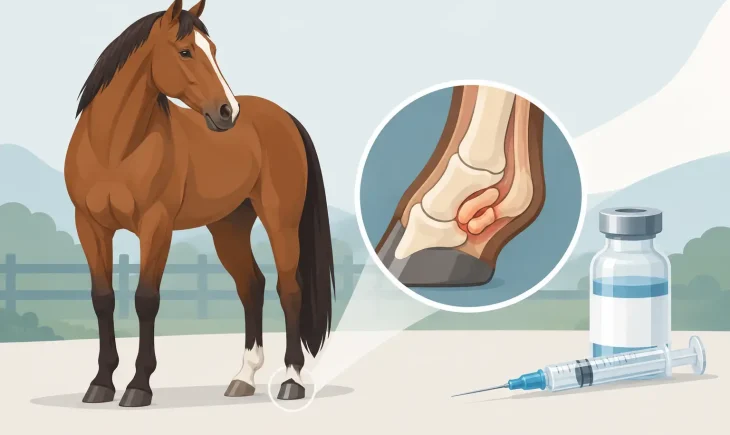
In horses, tiludronate is most closely associated with the management of clinical signs of navicular syndrome. Navicular syndrome is not one single injury. It is a broad term for pain involving the navicular bone, its bursa, the deep digital flexor tendon where it passes the bone, supporting ligaments, or related structures within the foot. That complexity matters because a horse can have a navicular bone change on radiographs and still have another major cause of lameness.

Tiludronate does not repair a torn tendon, correct poor shoeing, replace hoof balance, or reverse every structural change in the foot. It is one tool in a wider case plan. A sound plan may also include therapeutic farriery, controlled exercise, body-condition management, anti-inflammatory support when appropriate, and treatment targeted to associated soft-tissue injury.

When tiludronate for horses may be considered

A veterinarian may consider tiludronate after a complete lameness examination supports a diagnosis involving navicular syndrome and bone pain. The workup commonly includes gait evaluation, hoof tester findings, diagnostic nerve blocks, radiographs, and sometimes advanced imaging. Magnetic resonance imaging can be particularly useful when the concern extends beyond the navicular bone to the deep digital flexor tendon, collateral ligaments, or navicular bursa.

The best candidates are not identified by a single X-ray finding. They are identified by the full clinical picture. A horse with persistent front-foot lameness, pain localized to the palmar foot, and imaging consistent with navicular disease may be a more appropriate candidate than a horse with vague poor performance and no confirmed pain source.

Age also matters. Product labeling and veterinary guidance should be followed closely, particularly for younger horses. Bisphosphonates affect bone metabolism, so using them in a skeletally immature horse raises different concerns than use in a mature horse. A horse’s workload, breeding value, prior injury history, and intended competition schedule should all be part of the conversation before treatment begins.

Administration and veterinary monitoring

Tiludronate is generally administered intravenously by a veterinarian. It is not a medication to add casually to a stable treatment routine or administer based on another horse’s protocol. The appropriate product, treatment plan, infusion approach, and observation period depend on the individual horse and the applicable product labeling.

Before treatment, the veterinarian should evaluate the horse’s overall health, with special attention to kidney function, hydration status, and any history of metabolic or mineral-balance concerns. Bisphosphonates are cleared through the kidneys, which makes pre-treatment screening especially relevant in horses that are dehydrated, older, systemically unwell, or receiving other medications that may affect renal function.

After administration, monitor the horse as directed. Some horses can show transient signs such as reduced appetite, fever, mild colic signs, stiffness, or changes in comfort. Blood calcium can decrease with bisphosphonate treatment, and more serious reactions require prompt veterinary attention. Call the veterinarian immediately if the horse becomes weak, unusually agitated, markedly uncomfortable, tremors, sweats excessively, or shows persistent colic signs.

Do not assume that an improvement in comfort means the underlying foot problem has disappeared. A horse that feels better can be easier to overwork too soon. Controlled return to exercise and repeat lameness assessment help prevent that mistake.

The trade-off: pain relief versus masking a problem

The strongest reason to use tiludronate is also the reason it requires discipline. Reducing bone pain may improve a horse’s comfort and movement, but pain is information. If a horse returns to intense work before hoof mechanics, tendon health, footing, and conditioning are addressed, the original problem can worsen under a more comfortable gait.

This does not mean tiludronate has no place in performance horses. It means the medication should support a rehabilitation strategy rather than become the whole strategy. For a horse with confirmed navicular syndrome, better comfort can make corrective shoeing and a structured conditioning program more productive. For a horse with undiagnosed lameness, it can delay a more useful diagnosis.

A practical treatment plan sets measurable checkpoints. These may include improved willingness to turn, a more even landing pattern, better response to hoof support, reduced lameness grade, or improved comfort after a defined period of controlled work. If those results do not appear, reassessment is smarter than repeating treatment automatically.

Hoof care remains central

Navicular management often succeeds or fails at ground level. The goal of farriery is not one universal shoe package. It is to improve breakover, support the back of the foot when needed, reduce damaging leverage, and keep the hoof balanced for that specific horse.

Some horses respond well to a short toe and appropriate heel support. Others need a different strategy because heel pain, thin soles, contracted heels, conformation, or soft-tissue injury changes the equation. Work closely with the veterinarian and farrier as a team. Radiographs taken with proper shoeing markers can help guide decisions and show whether the trim and shoeing plan are achieving the intended mechanics.

Footing, workload, and body weight also matter. Deep or inconsistent footing can aggravate a compromised foot. Sudden increases in training intensity can do the same. Even an effective medication program will struggle if the horse is repeatedly asked to work beyond the capacity of its feet.

Competition rules and medication records

If the horse competes, do not make assumptions about medication status. Rules vary by discipline, governing body, country, and event. Bisphosphonate use may be restricted, prohibited, or subject to specific withdrawal and documentation requirements. These rules can change, so confirm the current policy directly with the relevant authority before treatment and before entering a competition.

Keep complete records: diagnosis, imaging findings, product name, administration date, administering veterinarian, response, and any adverse effects. Good records protect the horse’s long-term care and help trainers, owners, veterinarians, and farriers make better decisions when the horse’s workload changes.

Questions to ask before treatment

Ask your veterinarian whether the lameness has been localized clearly enough to justify tiludronate, whether advanced imaging would change the plan, and what other structures may be contributing to pain. Ask how kidney health and hydration will be assessed, what side effects require an urgent call, and what exercise restrictions apply after treatment.

Also ask what success should look like for this horse. A competitive jumper, racehorse, broodmare, and older trail horse may have different acceptable outcomes. Some horses return to meaningful work with careful long-term management. Others require a reduction in intensity, a change in discipline, or retirement from demanding athletic work.

Tiludronate can be a valuable option when navicular-related bone pain has been properly diagnosed, but the best result comes from precision, not speed. Get the diagnosis right, protect the feet, follow veterinary monitoring, and give the horse a workload that respects what its limbs can sustain.

Horse Recovery Supplements: What Works After Hard Work

A hard school, long haul, race, intense conditioning block, or multi-day show can leave even a fit horse flat, tight, dehydrated, or slow to eat. Horse recovery supplements are designed to support the systems that take the biggest hit after demanding work: fluid balance, muscle function, energy restoration, inflammation control, digestion, and joint comfort. The right product can be useful. The wrong one, or one used at the wrong time, is just expensive powder in a feed bucket.

Recovery should start with the horse in front of you. A horse that sweated heavily needs a different plan than one returning from stall rest. A horse with poor topline needs more than electrolytes, while a horse that is stiff after repetitive concussion may need a veterinary assessment before any supplement program is changed.

What Recovery Actually Means for a Working Horse

Recovery is not simply waiting until a horse looks bright again. It is the period when the body replaces fluids and minerals, restores fuel stores, repairs exercise-related muscle stress, settles the digestive system, and adapts to training. If any of those pieces fall behind, performance can drop long before obvious lameness or illness appears.

For stable managers and trainers, the practical signs matter. Is the horse drinking normally? Has appetite returned? Is manure production normal? Does the horse walk out freely the next morning? Are muscles soft rather than hard or painful? Is the horse willing to go forward in the next session?

A recovery product should have a clear job. Avoid stacking multiple formulas with overlapping ingredients just because each label promises faster results. That can create unnecessary expense, excessive mineral intake, and confusion when a horse does not respond as expected.

Horse Recovery Supplements for the Main Recovery Needs

Electrolytes and hydration support

Sweat loss does not mean water loss alone. Horses also lose sodium, chloride, potassium, and smaller amounts of other minerals. In hot weather, humid conditions, endurance work, racing, transport, and horses that sweat heavily, electrolyte replacement is often the most immediate recovery priority.

A useful electrolyte formula should be built around sodium and chloride, not just a token amount of potassium. It should be given with unrestricted access to fresh water. Never assume an electrolyte dose replaces drinking, and do not force concentrated electrolyte products into a horse that is dehydrated, colicky, unwilling to drink, or clinically unwell.

Some horses benefit from an electrolyte routine around regular hard work. Others only need targeted support after unusually heavy sweating. The right approach depends on workload, weather, forage intake, and how much salt is already provided in the daily ration.

Amino acids, protein, and muscle support

Muscle recovery depends on enough total calories and quality protein. Supplements containing essential amino acids, especially lysine, threonine, and methionine, can be useful when a horse has limited access to high-quality protein or needs help maintaining topline during hard training, travel, or rehabilitation.

This category has limits. No amino-acid product can compensate for a ration that is too low in energy, poor forage, untreated gastric discomfort, dental problems, or a workload that exceeds the horse’s current fitness. Feed and forage remain the foundation. Recovery products refine the program rather than replacing it.

Antioxidant ingredients such as vitamin E and selenium are also common in muscle-support formulas. They may have a place for horses with specific dietary gaps or elevated training demands, but selenium has a narrow margin between appropriate and excessive intake. Check the full diet before adding another selenium-containing product.

Joint, tendon, and soft-tissue support

Hard ground, jumping, speed work, tight turns, and repetitive training all place pressure on joints and soft tissue. Ingredients such as glucosamine, chondroitin, MSM, hyaluronic acid, collagen, and omega-3 fatty acids are commonly used in long-term support programs for horses in regular work.

These are not overnight recovery fixes. Most joint-support supplements are better viewed as consistent maintenance tools, with results assessed over several weeks. They may help support comfort and mobility in an appropriately managed horse, but they do not repair a damaged tendon, resolve a joint infection, or make it safe to continue work through lameness.

If a horse has heat, swelling, a marked change in gait, or pain on palpation, stop treating the issue as routine soreness. Rest, cooling, veterinary examination, and a clear return-to-work plan may be needed before supplements are even part of the conversation.

Digestive and appetite support

Hard exercise, travel, changes in routine, NSAID use, and competition stress can affect appetite and gut function. Horses that finish an event reluctant to eat, lose condition during a show schedule, or produce abnormal manure may need their management reviewed closely.

Digestive support products may include live yeast, prebiotics, probiotics, buffers, pectin, lecithin, or ingredients intended to support the stomach and hindgut. These can be a sensible addition when stress is predictable, but they should not delay care for colic signs, repeated poor appetite, weight loss, teeth grinding, girthiness, or recurring diarrhea.

Recovery feeding should also be simple and consistent. Offer clean water, familiar forage, and feed the horse will readily consume. Sudden large grain meals after strenuous work are not a smart shortcut to restored energy.

Match the Product to the Workload

A horse coming home from a 30-minute light hack does not need the same recovery stack as a horse completing a hot-weather endurance ride or running a demanding race schedule. More products do not automatically mean better recovery.

For a heavy-sweating competition horse, hydration and electrolytes may come first. For a horse in a strength-building program, ration balance and amino-acid support may be more relevant. For an older jumper staying in work, joint support, footing management, and sensible scheduling may deliver more value than an aggressive post-work formula.

Look beyond the marketing name. Check active ingredients, serving size, administration route, total daily cost, and whether the formula overlaps with other products already in the barn. A product that looks cheap per container may be poor value if it provides only a few effective servings. Buying the right strength and format is usually cheaper than buying several underdosed options.

Build a Recovery Routine That Gives You Useful Information

The best recovery plan is repeatable. After demanding work, cool the horse appropriately, provide water, assess respiration and attitude, and return forage as soon as it is safe and practical. Then use supplements according to their purpose rather than adding everything at once.

Keep a simple record of workload, weather, sweat level, appetite, manure, stiffness, and recovery time. This is especially valuable for performance barns where several people handle the same horse. Patterns become clear quickly: the gelding that drinks poorly after shipping, the mare that tightens after hard footing, or the young horse that needs more time between intense sessions.

Introduce one new supplement at a time where possible. If the horse goes off feed, develops loose manure, or shows no measurable benefit, you can identify the likely cause instead of guessing through a crowded supplement program.

Competition Rules and Veterinary Decisions Matter

Performance horses may be subject to breed, racing, federation, or event-specific medication rules. A recovery compound that seems routine can contain ingredients with restricted-use periods or testing implications. Always verify current rules for your discipline and location before using a new product near competition.

Supplements are also not a substitute for diagnosis. Dark urine, severe muscle cramping, prolonged elevated heart rate, fever, depression, persistent stiffness, reduced drinking, or colic signs require prompt veterinary attention. These can point to dehydration, exertional rhabdomyolysis, heat stress, infection, gastric disease, or another condition that needs more than nutritional support.

For everyday recovery needs, choose products with clearly stated ingredients and practical dosing, then buy enough for a consistent trial rather than judging results after two feeds. Equine MedCare offers performance-focused recovery, wellness, and support products for horse owners who need competitive pricing and express worldwide delivery. Start with the horse’s workload, build a focused plan, and let sound management do the heavy lifting.

EIPH Treatment in Horses Before Race Day

A horse can look completely normal in the stall and still experience bleeding in the lungs during hard work. That is why EIPH treatment in horses cannot be based on whether blood appears at the nostrils after a race or intense gallop. Visible blood is only one possible sign, and it is not the most common one.

For racing and high-performance horses, exercise-induced pulmonary hemorrhage can mean slower recovery, reduced willingness to extend, coughing after work, or a drop in performance that is easy to mistake for a fitness issue. The practical goal is not to promise a complete cure. It is to confirm the problem, reduce the severity and frequency of bleeding, identify contributing airway disease, and create a race-day plan that complies with the rules where the horse competes.

What EIPH Actually Means for a Performance Horse

EIPH occurs when intense exercise places extreme pressure on the small blood vessels in the lungs. Some of those vessels can leak blood into the airways. It is especially common in Thoroughbred and Standardbred racing, but it can also affect barrel horses, polo ponies, eventers, jumpers, and other horses performing at speed or near maximum effort.

A one-time poor finish does not prove EIPH. Neither does a small amount of blood at the nose. Epistaxis – visible nostril bleeding – may occur with EIPH, but many affected horses show no outward bleeding at all. A veterinarian generally confirms the condition with upper airway endoscopy after exercise. In selected cases, a bronchoalveolar lavage may help evaluate red blood cells and inflammation deeper in the lower airway.

That distinction matters. Treating every underperforming horse as a bleeder can delay the real diagnosis, whether it is inflammatory airway disease, infection, poor conditioning, cardiac disease, upper airway obstruction, gastric ulcers, pain, or an equipment issue.

EIPH Treatment Horses Need Starts With a Clear Plan

Once EIPH is diagnosed, the plan should match the individual horse, the severity of bleeding, the competition schedule, and the governing authority’s medication rules. There is no single protocol that fits every barn.

Furosemide and race-day medication rules

Furosemide is the best-known medication used to reduce EIPH severity in racehorses. When administered under veterinary direction before strenuous exercise, it can reduce pulmonary vascular pressure and has been shown to decrease the amount of blood found in the airways in many horses.

It does not make a horse immune to EIPH, and it is not a substitute for finding other respiratory problems. It is also a diuretic, so hydration status, electrolyte balance, travel conditions, heat, and recovery all deserve attention. A horse that is already dehydrated, shipping long distances, or working in oppressive heat needs careful management.

Most importantly, furosemide policies vary widely. Some racing jurisdictions permit tightly controlled race-day administration. Others restrict it, require specific documentation, or prohibit it. Sport-horse organizations may have entirely different rules. Trainers and owners should verify the current regulations with the relevant racing commission or competition body before any medication is administered. Do not rely on an old barn protocol or advice from another circuit.

Treat airway inflammation when it is present

EIPH often exists alongside lower-airway inflammation, excess mucus, recurrent airway obstruction, or infection. These conditions do not automatically cause EIPH, but inflamed or obstructed airways can add stress to a horse already working hard to move air.

Treatment may include environmental changes and, when a veterinarian identifies a specific condition, targeted respiratory medication. Bronchodilators, corticosteroids, antimicrobials, or other therapies may be appropriate in certain cases, but they are not universal EIPH treatments. Their use should follow an examination, airway evaluation, and the appropriate withdrawal guidance.

The direct approach saves time and money: address the disease that is actually there. Using multiple products without diagnosis can create medication-rule problems while doing little to improve the horse’s respiratory performance.

Stable Management That Supports the Treatment Program

Medication alone cannot overcome a dusty stall, poor forage quality, chronic airway irritation, or an overloaded training schedule. The stable environment is part of EIPH management because clean air supports a healthier lower airway.

Start with dust control. Use low-dust bedding, avoid sweeping and blowing aisles while horses are inside, and choose well-managed hay or a suitable low-dust forage option. Soaking or steaming hay may help some horses, although the best method depends on the forage and the horse’s nutritional needs. Good ventilation is essential, but stalls should not become damp, stagnant spaces.

Turnout can also be useful when it reduces time spent around indoor dust and ammonia. Watch the individual horse, though. Outdoor pollen, mold, smoke, freezing air, or dry arena footing may worsen respiratory signs in certain locations or seasons.

Travel deserves the same attention as home-stable care. Long shipping can increase exposure to dust, reduce water intake, and leave a horse with less recovery time before training or competition. Build in hydration, rest, and enough time to assess the horse after arrival. For a horse with a history of EIPH, the day before a major start is not the time to make a major feed, supplement, medication, or training change.

Training and Recovery Decisions Matter

A horse with repeated EIPH episodes should not simply be pushed harder because it is not finishing strongly. Review the work pattern with the veterinarian, trainer, and rider or driver. Some horses benefit from a short reduction in high-intensity work while airway disease is investigated and controlled. Others may need an adjusted conditioning plan, especially after time off, illness, or a change in climate.

Keep useful records. Note the date of episodes, endoscopic grade when available, weather, footing, race distance, transport, feed changes, respiratory noise, recovery time, and medications given. Patterns often appear when the information is recorded rather than discussed from memory in the shedrow.

Recovery care should stay practical. Provide free access to clean water unless the attending veterinarian directs otherwise, monitor appetite and manure output, and watch for unusual fatigue or breathing effort after exertion. Electrolyte plans should fit the horse’s sweat losses, diet, climate, and workload rather than follow a one-size-fits-all label routine.

Be Careful With Supplements and Unproven Claims

Many products are marketed for lung support, circulation, capillary strength, or recovery. Some owners include them as part of a broader management program. The trade-off is that evidence for preventing or treating EIPH varies considerably, and a supplement should never be presented as equivalent to a properly managed veterinary treatment plan.

Before adding any performance-support product, check the complete ingredient list and confirm its status under your competition rules. Natural does not always mean permitted, and a mislabeled or contaminated product can create a costly positive test. Choose products with clear labeling, reliable batch control, and realistic claims.

If a product promises to stop bleeding in every horse, treat that claim cautiously. EIPH is a complex exercise-related condition, not a problem solved by one bottle.

When to Call the Veterinarian Quickly

Visible blood from either nostril after work, repeated coughing, labored breathing, fever, nasal discharge, marked exercise intolerance, or a sudden decline in recovery warrants prompt veterinary assessment. Blood at the nostrils can be related to EIPH, but it can also come from the upper airway or another source that requires a different response.

For a horse that has already been diagnosed with EIPH, schedule follow-up when performance changes or the previous plan is no longer working. Repeated episodes deserve reassessment rather than automatic refills and repeated assumptions.

The strongest EIPH program is built before the next hard effort: a confirmed diagnosis, a legal medication plan, clean-air management, and enough honest recordkeeping to see what your horse is telling you. That preparation gives a performance horse the best chance to train, travel, and compete with fewer respiratory setbacks.

Horse Supplements for Real Performance Needs

A hard-working horse can look perfectly fit while carrying a gap in recovery, digestion, joint comfort, or basic mineral intake. That is where horse supplements can earn their place. But the right product is not simply the most expensive tub, the newest ingredient, or the one another rider swears by. It is the product that addresses a defined need in the horse standing in your barn.

For trainers, stable managers, breeders, and owners of performance horses, supplementation should be a practical part of the program: identify the pressure point, choose a suitable formula, administer it consistently, and assess the result. Buying with that level of discipline protects your budget and gives the horse a better chance of staying in work.

Start With the Horse, Not the Product

A supplement cannot correct poor forage, inadequate calories, an unbalanced ration, dental trouble, pain, parasites, or a workload that exceeds the horse’s conditioning. Before adding anything, look at the basics. Is the horse maintaining body condition? Is hay or pasture quality consistent? Has the workload increased? Is water intake normal? Has a recent change in feed, travel, weather, or turnout affected manure, appetite, or behavior?

This matters because similar symptoms can have very different causes. A dull coat may suggest an essential fatty acid issue, but it may also reflect inadequate protein, heavy parasite burden, or a diet short on key trace minerals. A horse that feels stiff after training may benefit from joint support, yet lameness, poor hoof balance, saddle fit, or muscle soreness need a different response.

Use a clear target. Examples include supporting gastric comfort during a show schedule, replacing electrolytes after heavy sweating, improving hoof quality over several months, or supporting mobility in an older horse. “General wellness” is not wrong, but it is too vague to judge whether a product works.

Choose Horse Supplements by Job

A performance barn does not need every category on the shelf. It needs the right category at the right time. These are the most common roles supplementation can play.

Joint, Bone, and Mobility Support

Joint formulas often contain glucosamine, chondroitin, MSM, hyaluronic acid, collagen, omega-3 fatty acids, or combinations of these ingredients. They are commonly used for horses in repeated concussion work, older horses, and athletes returning to steady conditioning.

Results vary with the horse, the workload, the ingredient levels, and the underlying issue. Nutritional joint support is not a substitute for diagnosing heat, swelling, uneven gait, or persistent performance decline. For a horse with known joint disease, the supplement plan should sit alongside professional veterinary management, correct farriery, controlled exercise, and appropriate body weight.

Bone-focused formulas may include calcium, phosphorus, magnesium, vitamin D, and trace minerals. More is not automatically better. Excessive mineral supplementation can disrupt an otherwise balanced ration, especially when a fortified concentrate feed is already being used.

Digestive and Gastric Support

Travel, stall confinement, intermittent feeding, intensive training, and competition stress can all challenge the digestive system. Products in this category may include probiotics, prebiotics, yeast cultures, pectin, lecithin, calcium and magnesium buffers, amino acids, or plant-based ingredients.

Match the formula to the concern. A horse with loose manure after travel may need a different approach than a horse with reduced appetite, girthiness, or behavior changes around feeding. Gastric signs can overlap with pain, ulcers, dental problems, and management stressors, so do not cover a continuing problem with powders alone. More turnout, frequent forage access, and a review of feeding intervals can be as valuable as the product you add.

Electrolytes, Hydration, and Recovery

Sweating horses lose sodium, chloride, potassium, and other electrolytes. In hot weather, long hauls, endurance work, racing, and repeated schooling sessions, a well-formulated electrolyte can support normal hydration and recovery when the horse has access to clean water.

Do not treat electrolytes as a stimulant or a shortcut to fitness. A dehydrated horse, a horse that will not drink, or one showing weakness, abnormal heart rate, colic signs, or poor recovery needs immediate assessment. Always follow the product directions, account for the horse’s total salt intake, and introduce any new flavor carefully. A horse that refuses supplemented water should always have plain water available.

Hoof, Coat, and Skin Formulas

Biotin, zinc, copper, methionine, lysine, and omega-3 fatty acids are common in hoof and coat support products. Hoof growth takes time. Expect a meaningful trial to run for months, not days, because the new hoof wall must grow down from the coronary band.

Look beyond the supplement if hooves are cracking, slow-growing, or repeatedly losing shoes. Wet-dry cycles, footing, trimming schedule, genetics, metabolic disease, and overall nutrition all affect hoof quality. A good formula supports the program, while consistent farrier care makes that support useful.

Vitamins, Minerals, and Amino Acids

These formulas are most useful when the base ration has a recognized shortfall. Horses on forage-only diets, sparse pasture, restricted calories, or locally variable hay may need targeted balancing. Young horses, broodmares, seniors, and hard-working athletes also have different nutritional demands.

The trade-off is duplication. Many complete feeds already contain vitamins and minerals. Stacking a fortified feed, a balancer, and several “all-in-one” products can push levels far beyond what the horse requires. Read every label and calculate the daily intake rather than judging a product by how long its ingredient panel is.

Read the Label Like a Buyer, Not a Browser

The front of a tub sells a promise. The guaranteed analysis and feeding directions show what you are actually purchasing. Check the active ingredients, the amount delivered at the recommended daily serving, the number of days per container, and whether the directions distinguish between a loading period and maintenance use.

Price per tub can be misleading. Compare price per day at the amount your horse will receive. A lower-priced product may become costly if the serving is large, while a concentrated formula can offer better value if the dosage is realistic and the horse accepts it.

Quality control matters as much as ingredient selection. Choose products with clear labeling, identifiable manufacturer information, batch details where available, and storage instructions. For horses competing under regulated rules, check every ingredient against the relevant governing body’s current medication and prohibited-substance rules. “Natural” does not mean competition-safe, and withdrawal guidance can differ across organizations and regions.

Introduce One Change at a Time

When several products are started together, it becomes nearly impossible to tell what helped, what caused loose manure, or what the horse refuses to eat. Start one product at a time whenever possible, particularly with digestive formulas, oils, herbs, and powders with strong flavors.

Keep a simple record for two to six weeks, depending on the goal. Track appetite, manure consistency, water consumption, attitude under saddle, coat condition, body weight, training recovery, and any relevant veterinary observations. For hoof support, take dated photographs. For a joint program, record warm-up quality and post-work comfort rather than relying on a general impression.

Stop and seek veterinary advice if the horse develops adverse changes such as hives, swelling, diarrhea, colic signs, respiratory distress, marked behavior change, or a decline in performance. Supplements can interact with medications or complicate management in horses with metabolic, kidney, liver, or gastrointestinal conditions. This is especially relevant for pregnant mares, foals, and horses receiving multiple treatments.

Build a Supplement Program That Can Be Sustained

The best program is not the largest stack. It is a focused plan that the barn can administer accurately every day, including during travel and busy competition weeks. Start with forage and a balanced ration, add salt and hydration management where needed, then choose targeted support for the horse’s actual workload, age, and health history.

At Equine MedCare, experienced owners can compare specialized equine products and practical support options without treating every supplement as a cure-all. Buy formulas with a purpose, keep labels and competition rules in view, and reassess regularly as the season, workload, and horse change. A horse doing consistent, comfortable work is the standard that matters most.

Equine Medicine for Sounder, Stronger Horses

A horse can look bright at feeding time and still be losing ground in the details: a shorter stride on the right rein, a cough after warm-up, slower recovery after shipping, or a coat that no longer reflects the condition underneath. Equine medicine is not just about responding when a horse is obviously sick. Used correctly, it is part of a practical system for protecting soundness, supporting recovery, and catching small problems before they cost training days.

For owners, trainers, breeders, and stable managers, the goal is simple: keep each horse comfortable, functional, and ready for its job. The products that belong in that plan depend on the horse, the discipline, the season, the workload, and the diagnosis. A hard-working sport horse, a broodmare, and an older pleasure horse should not be managed from the same shelf.

What Equine Medicine Should Do

The best equine medicine program is targeted. It addresses a known condition, a clear risk factor, or a defined performance need. It does not mean adding products because a horse had one off day or because a label promises more speed, energy, or muscle.

Start with the basics that make medication and supplementation worthwhile: consistent forage, clean water, dental care, parasite control, hoof balance, turnout where appropriate, and a workload matched to fitness. No injectable, paste, powder, or topical product can compensate for chronic underfeeding, poor footing, an ill-fitting saddle, or insufficient recovery time.

When those foundations are in place, medicines and support products can be highly useful. Anti-inflammatory options may be part of a veterinarian-directed plan for pain and swelling. Respiratory products may help manage diagnosed airway concerns. Joint and bone-health support can fit into a long-term soundness strategy. Dewormers remain essential when chosen through fecal egg counts, local parasite pressure, and a veterinarian’s recommendations rather than used on a fixed, automatic schedule.

The key distinction is purpose. Ask what problem the product is meant to solve, how success will be measured, and when the plan should be reassessed. If there is no clear answer, the product may be adding cost without adding value.

Build a Working Medicine Plan for Each Horse

A useful stable program separates urgent treatment from routine maintenance. Keep accurate records for every horse, including body weight, vaccination history, parasite testing, known allergies, previous injuries, current products, administration dates, and response to treatment. In a busy barn, this is not paperwork for its own sake. It prevents duplicate ingredients, missed withdrawal periods, and costly confusion when multiple people handle the same horse.

Start With the Clinical Picture

Before reaching for a treatment, define what has changed. Is the horse lame at the walk or only under saddle? Is the cough occasional, exercise-related, or accompanied by nasal discharge? Has appetite changed? Are manure, temperature, hydration, and attitude normal?

A baseline matters because it tells you whether a product is helping. For example, a horse with recurring stiffness may need an examination to distinguish joint pain from hoof imbalance, muscle soreness, gastric discomfort, or a developing soft-tissue issue. Treating every stiff horse as a joint case can delay the correct diagnosis.

Call a veterinarian promptly for colic signs, fever, acute lameness, eye injury, neurologic changes, severe respiratory effort, significant wounds, or a horse that is dull and off feed. These are not wait-and-see situations. Early assessment can protect both the horse and the budget.

Match Products to the Actual Need

Anti-inflammatory medications can be valuable, but they also have trade-offs. Pain relief may allow a horse to move more comfortably while hiding a problem that needs rest, imaging, or a change in shoeing. Repeated use without a diagnosis can increase risk and encourage a horse to work through pain.

Respiratory management is another area where product choice depends on the cause. Dust exposure, barn ventilation, allergies, infection, and exercise-induced pulmonary hemorrhage are not interchangeable problems. Medication may be one part of the answer, while soaking or steaming hay, improving airflow, reducing arena dust, and adjusting training may deliver equally meaningful results.

For joint, bone, muscle, and recovery support, look at the full workload. A horse returning from time off has different needs than a horse in peak competition season. Some products are intended for ongoing nutritional support, while others are used only under veterinary direction for specific conditions. Read the active ingredient, concentration, route of administration, storage requirements, and expiration date before ordering or administering anything.

Treat Supplements Like Real Inputs

Supplements are often easier to buy than to evaluate. That does not make them harmless or automatically necessary. A quality supplement should have a defined role, whether that is supporting electrolyte replacement after heavy sweat loss, providing targeted digestive support, or helping fill a documented nutritional gap.

Avoid stacking products with overlapping ingredients. Multiple joint formulas, calming blends, or vitamin and mineral supplements can create unnecessary duplication. More is not always better, especially when a horse is already receiving a fortified feed.

The same caution applies to performance and recovery compounds. Competitive horses may be subject to strict federation, racetrack, or event medication rules. A product being available for purchase does not mean it is permitted on competition day. Check the governing body’s current regulations, calculate withdrawal times conservatively with veterinary guidance, and keep batch and administration records.

Buying Horse Medicines Without Costly Mistakes

Price matters, especially when a stable is managing multiple horses, but the lowest number is not the only number that counts. Compare the exact active ingredient, strength, package size, dosage form, and storage needs. Two products with similar names may not be equivalent in concentration or intended use.

Buy from suppliers that clearly identify product details and maintain proper handling during storage and shipment. Heat-sensitive, light-sensitive, or refrigerated products require extra attention. Inspect packages when they arrive. Do not use products with broken seals, unclear labels, expired dates, unexpected discoloration, or signs that temperature-sensitive items were mishandled.

International purchasing adds another layer. Import rules, veterinary medication laws, customs requirements, and prescription requirements vary by country and can change. Confirm what can legally be imported and used where your horse is stabled. For prescription-only or restricted medications, follow the rules that apply in your location and work with your veterinarian. Saving money is useful only when the product is legitimate, properly handled, and appropriate for the horse.

Equine MedCare helps experienced owners and handlers source a broad range of horse-health and performance-support products with value-focused pricing and international delivery options. Even when ordering is fast, the decision to use a medication should remain deliberate: confirm the indication, verify the product, and make sure the timing fits the horse’s care and competition schedule.

Make Monitoring Part of the Treatment

Every new medicine or support product needs a review point. Record the start date, amount given, route, reason for use, and the change you expect to see. Then watch the horse, not just the calendar. Improvement might mean easier breathing during work, a more consistent appetite, reduced swelling, better recovery, or a return to normal movement.

Also watch for adverse effects. Changes in manure, appetite, drinking, behavior, skin, gait, or respiratory effort deserve attention. If a horse worsens, develops a reaction, or shows no meaningful improvement within the expected timeframe, stop guessing and contact your veterinarian.

A well-run medicine cabinet is not the one with the most products. It is the one where every item has a purpose, a current label, a safe storage place, and a clear record of when it was used. Keep your horse’s daily baseline in view, act early when it changes, and let every purchase support a plan that keeps the next ride, race, or recovery day moving in the right direction.

uvl biotec 500

When it comes to maintaining the health and wellness of your horses, choosing the right supplements is crucial. One such product that stands out in the world of veterinary care is UVL Biotec tablets. These tablets are specially formulated to support various aspects of your horse’s well-being, from their immune system to overall vitality. In this article, we’ll explore everything you need to know about UVL Biotec 500 tablets, their uses, and why they’re highly recommended by veterinarians.

What is UVL Biotec?

UVL Biotec is a veterinary supplement that comes in various forms, including tablets and injectable solutions. This supplement is specifically designed for animals, with a primary focus on horses, though it is also beneficial for other animals like chickens. Manufactured by UVL Biotec Labs, the product helps to support various bodily functions, particularly in terms of immune health, respiratory health, and overall vitality.

UVL Biotec tablets are known for their effectiveness in promoting healthy immune system function, combating infection, and aiding in the recovery of animals that may be experiencing complications due to illness. Whether used for horses, chickens, or other livestock, this product has a reputation for being a powerful aid in maintaining optimal animal health.

The Benefits of UVL Biotec Tablets for Horses

1. Immune System Support

One of the standout benefits of UVL Biotec tablets is their ability to support the immune system. Horses, like any other animals, are susceptible to infections and illnesses, especially when exposed to harsh environmental conditions or stress. UVL Biotec tablets are rich in nutrients and compounds that can help strengthen the immune system, making horses more resilient to various diseases.

2. Respiratory Health

Another key benefit of UVL Biotec is its ability to improve respiratory health. Horses are prone to respiratory issues such as coughs, colds, and nasal discharge, especially if they are stabled in environments that lack proper ventilation. UVL Biotec tablets support respiratory function and can alleviate symptoms related to respiratory conditions, ensuring your horse can breathe freely and comfortably.

3. Faster Recovery After Illness

When your horse is ill or recovering from an injury, UVL Biotec can help speed up recovery. The tablets aid in reducing inflammation and promoting faster tissue regeneration. This is especially beneficial for performance horses that need to return to their active routines quickly. UVL Biotec tablets contain ingredients that enhance cellular repair and regeneration.

4. Digestive Health

Digestive health is a crucial aspect of overall well-being for horses. UVL Biotec tablets help maintain a healthy gut, ensuring proper digestion and absorption of nutrients. By supporting the digestive system, these tablets also prevent issues like colic and gastrointestinal upset, which are common in horses.

5. Enhanced Energy and Vitality

UVL Biotec tablets are packed with essential nutrients that boost your horse’s energy levels and overall vitality. Whether you own a competitive horse or one used for leisurely riding, these tablets will ensure that your horse remains energetic and active throughout the day.

UVL Biotec 500 Tablets: Why They’re So Effective

Among the various types of UVL Biotec tablets, the UVL Biotec 500 tablets stand out due to their concentrated dosage. These tablets are designed for larger horses or for those needing a more potent formula to address specific health concerns. The 500 mg dosage is ideal for animals that need more substantial support in immune, respiratory, and digestive health.

Veterinarians often recommend UVL Biotec 500 tablets for horses under stress, whether from illness, physical exertion, or environmental factors. These tablets are also beneficial during seasonal changes when horses might be more susceptible to respiratory infections and digestive issues.

How to Administer UVL Biotec Tablets

Administering UVL Biotec tablets is straightforward. Depending on the size and weight of your horse, the dosage may vary. Typically, the tablets are administered orally, either mixed with food or given directly. For optimal results, always follow the dosage instructions on the product label or consult with a veterinarian to determine the proper dosage for your horse’s specific needs.

For animals that refuse to take pills, you can opt for the UVL Biotec powder form, which can be easily mixed with their regular feed.

UVL Biotec for Chickens

UVL Biotec is not limited to horses. UVL Biotec for chickens is another popular variant of this supplement. It offers similar benefits for poultry, such as immune system support, improved respiratory health, and faster recovery from illness. If you are a poultry farmer, you can rely on UVL Biotec to help maintain the health of your chickens and prevent disease outbreaks.

UVL Biotec for Cats and Dogs

While UVL Biotec is mainly used for horses and chickens, some veterinarians also recommend it for cats and dogs in certain cases. This versatile product can be tailored to meet the health needs of various animals, offering immunity-boosting properties and support for respiratory and digestive health. However, always consult with a vet before using it on pets, as dosages may differ.

Where to Buy UVL Biotec

Finding UVL Biotec tablets is easier than ever, with multiple options available online. Websites like Amazon and other trusted online pet stores offer UVL Biotec tablets at competitive prices. Whether you’re looking for UVL Biotec Amazon or other authorized sellers, be sure to check for product authenticity and reviews to ensure you’re getting the best quality.

UVL Biotec for Complex Colds (Para Catarros Complicados)

One of the more specific uses of UVL Biotec is for catarros complicados (complex colds). This variant of the supplement is specially formulated to treat respiratory issues that are more difficult to resolve. Whether your horse is suffering from a persistent cough or other respiratory symptoms, UVL Biotec para catarros complicados provides targeted relief to ease these conditions and help your horse recover more swiftly.

Conclusion

UVL Biotec tablets are an essential tool in the veterinary care of horses, offering a variety of health benefits that enhance their immune, respiratory, digestive, and overall well-being. Whether you’re looking for a supplement for your horse’s vitality, respiratory health, or recovery, UVL Biotec is a reliable choice. Don’t forget to consult your veterinarian for personalized dosage recommendations and specific needs.

With its proven effectiveness and trusted reputation, UVL Biotec should be a staple in every horse owner’s health regimen.


FAQs

1. What is UVL Biotec used for?
UVL Biotec is used to support immune, respiratory, and digestive health in horses and other animals. It aids in faster recovery from illnesses, improves overall vitality, and reduces inflammation.

2. Where can I buy UVL Biotec tablets?
You can purchase UVL Biotec tablets from online stores such as Amazon, pet care websites, and directly from authorized sellers.

3. Can UVL Biotec be used for chickens?
Yes, UVL Biotec is also available in formulations for chickens, helping to improve their immune system, respiratory health, and vitality.

4. How do I administer UVL Biotec tablets to my horse?
UVL Biotec tablets are typically administered orally, either mixed with food or given directly. The dosage will vary depending on the size and health of the horse.

5. What is the difference between UVL Biotec 500 tablets and other formulations?
UVL Biotec 500 tablets contain a higher dosage, making them ideal for larger horses or those in need of more concentrated support for their health.

6. Is UVL Biotec safe for pets?
UVL Biotec is primarily intended for horses and poultry but can be used for other animals under the guidance of a veterinarian. Always consult your vet before administering it to pets like cats and dogs.

Just like people, horses experience medical issues that can leave owners not knowing how to proceed. We know that you want the very best for your four-legged companion, but what exactly does that entail? Are the potential adverse reactions to conventional medications worth the risk? When problems arise (and they inevitably do) it is important for horse owners to know their options in terms of the way specific ailments are treated. This is where CBD comes into play.

By now you are likely familiar with the benefits that CBD has for people. From promoting relaxation to easing pain, CBD oil is improving lives every single day. It was only a matter of time before people began wondering if the powerful herb could also benefit their animals. As it turns out, it can! In fact, over three decades worth of studies suggest that CBD is an incredibly effective way to boost overall wellness in dogs, cats, and horses.

In this article, we’ll cover everything you need to know about CBD oil for horses. The ways in which it can benefit your horse may surprise you. Let’s get started!

cbd oil for horses

What is CBD Oil

CBD oil is a liquid substance derived from the cannabis plant. The oil is all natural and non-toxic and is finally getting the attention it deserves in terms of how we treat certain health issues.

With the growing conversation surrounding CBD oil for animals, many pet owners have questions regarding how an herb could have such incredibly medical benefits. Before we dive into all of the ways that CBD oil can help your horse, let’s clear up a few misunderstandings.

Facts Vs. Fiction: What You Need to Know!

Think of the Cannabis Sativa L. plant as a kind of umbrella term. Under the plant are both the marijuana plant and the hemp plant. Although the two have similarities, they also have important differences that horse owners should be aware of.

Cannabis plants are comprised of 80 different cannabinoids. Of these cannabinoids, cannabidiol (CBD) and tetrahydrocannabinol (THC) are two of the most studied. This is also where many misunderstandings stem from.

There is still a rather negative stigma surrounding the cannabis plant due to its association with the “stoner” characters portrayed on television. However, this generalization couldn’t be farther from the truth in terms of the cannabis oil used for treating ailments. In efforts to help remove the stigma, we want to explain a few things more in depth. We hope that our readers will then be able to educate others and that more correct knowledge regarding cannabis oil will be passed on from there. The more pet owners that know the benefits of CBD oil, the more animals that can be helped in an all natural, non-toxic way. We feel that’s something we all can stand behind.

HEMP-DERIVED CBD

Perhaps the most important difference between the hemp plant and the marijuana plant is that CBD oil derived from the hemp plant contains no more than 0.3% THC. Why is this so important? We’re glad you asked.

THC is the chemical compound that gives its users the euphoric, “high” feeling associated with cannabis. Due to the fact that the levels of THC in the hemp plant are virtually non-existent, hemp-derived CBD will not get your horse high or experience any euphoric feelings. Many pet owners wonder if CBD for animals will get their pet “high.” The answer is absolutely not.

Additionally, CBD derived from the hemp plant is legal in all 50 states and can be purchased with a click of a button.

MARIJUANA-DERIVED CBD

It is important to note that CBD can also be derived from the marijuana plant. The CBD oil will contain higher traces of THC, the psychoactive property that most associate with getting high. Although many studies prove that horses can tolerate marijuana-derived CBD*, it is not legal in most states. Therefore, the CBD oil that you purchase for your horse will be derived from the hemp plant, not the marijuana plant.

*Additionally, it is necessary to mention that while horses can tolerate marijuana-derived CBD, other animals, like dogs and cats, cannot. Again, in most cases, this won’t be an issue but if you live in a state that has legalized marijuana products it is imperative that you only purchase hemp-derived CBD for your animals.

CBD & Horses: How They Interact

So, how does it all work? Hemp and cannabis both contain chemical compounds called cannabinoids. Horses (like people) have an Endocannabinoid System (ECS). The receptor system interacts with cannabinoids (such as CBD cannabidiol) to help maintain overall homeostasis within the body. As you may imagine, it is imperative that the system works efficiently.

When a cannabinoid such as CBD is introduced, it helps to support the overall function of the Endocannabinoid System. It is comparable to the way that vitamin C supports the immune system.

cbd oil for horses

CBD Hemp Oil Benefits for Horses

Horse owners are finding that hemp derived CBD oil can benefit their four-legged friend in a number of ways. Let’s take a look at all the ways CBD oil can benefit your horse.

ARTHRITIS IN HORSES

One of the most common health conditions that many horses face is arthritis. The disease is caused by chronic inflammation which leads to permanent degradation of the cartilage surrounding the horses’ joints. Arthritis can cause the horse to experience a terrible amount of pain and ultimately affect their quality of life. Luckily, CBD may be able to help. When it comes to arthritis, the disease is unable to be entirely reversed. However, horse owners may help support mobility with CBD oil.

CBD HEMP OIL FOR PAIN

Perhaps the hardest part of being a pet owner is recognizing that your horse is in pain. Conventional pain medications are accompanied by a slew of potential adverse reactions that leave many wondering if the risks are worth the possible reward. Of course, you don’t want your beloved horse to be in pain, but at what cost?

Luckily, CBD may play a role in easing the pain. The best news? Studies suggest that CBD hemp oil has virtually zero side effects, much unlike those associated with conventional pain medications.

GASTRIC ULCERS IN HORSES

At one point or another, many horses are diagnosed with gastric ulcers. Sadly, up to 90% of adult horses will be diagnosed with gastric ulcer disease at some point in their life. The ulcers can be incredibly painful and affect the horse’s appetite and overall nature. In cases of equine gastric ulcer syndrome, CBD may be able to help. Anecdotal evidence suggests that CBD can boost appetite as well as overall wellness.

LAMINITIS

Every day, hundreds of horses are diagnosed with a disease called laminitis. Laminitis is the inflammation of the tissues within the horse’s hoof. The disease often causes the horse to experience a severe amount of pain and negatively affects their quality of life. If your horse has been diagnosed with laminitis, you may be interested in trying CBD. Studies suggest that CBD can ease pain and discomfort associated with inflammation.

COLIC

Another ailment that could potentially benefit from CBD oil is colic. Colic is a condition that affects the gastrointestinal tract and can cause the horse to experience abdominal pain. While more studies need to be done, CBD may play a role in easing inflammation.

DESMITIS

Desmitis is caused by inflammation of the horse’s ligaments, typically in the legs and coffin joint. The commonly diagnosed disease is another which may benefit from a CBD oil supplement.

CARDIOVASCULAR HEALTH

CBD oil may play a role in promoting a healthy heart. Studies suggest CBD supports blood vessels and an irregular heart rate. CBD oil may also help decrease an elevated heart rate by promoting relaxation.

ALLERGIES AND SKIN CONDITIONS

CBD may contribute to an allergy-free life. Many times, allergy symptoms appear in the form of skin conditions which can create even bigger issues for a horse owner. Skin issues such as hives and pruritus (severe, intense itching) may be soothed by implementing CBD oil into your horse’s life.

SUPPORTING IMMUNE FUNCTION

CBD hemp oil contains omega-3 fatty acids. Studies show that these fatty acids help to absorb vitamins and therefore support overall immune function. By implementing CBD oil into your horse’s diet, you can boost overall wellness and health.

IMPROVING MOBILITY

Added stress on the joints, either due to trauma or chronic wearing, will ultimately lead to the development of arthritis. If your horse is aging or has experienced physical trauma of any kind, you may want to consider CBD. Studies suggest that CBD oil may promote mobility!

cbd oil improves joint pain in horses

CBD FOR DIGESTIVE HEALTH

Additionally, CBD oil may promote healthy digestion. Some people have noted an improvement in bloating, nausea, indigestion, lack of appetite, and heartburn after using CBD oil.

Interestingly enough, in humans, CBD may also play a role in easing nausea and boosting the appetite. The research is even acknowledged by the National Cancer Institute.

ANXIETY AND CBD

Just like humans, horses can experience bouts of anxiety, particularly when traveling in a trailer. Additionally, some competition horses may experience something called “arena anxiety” which can also affect the anxiety level of their rider. In these instances, CBD may be useful. Clinical trials suggest that CBD oil may promote relaxation in stressful situations.

Horse owners may administer the oil prior to a stressful event. Because hemp-derived CBD has less than 0.3% THC, your horse won’t feel loopy or drowsy. They will still be able to perform or travel, just in a potentially more relaxed state.

Additionally, horses are herd animals and can often face separation anxiety if they are left alone for periods of time. Luckily, CBD may ease those feelings. If you know that your horse is going to be on their own for an extended period of time, you may want to consider CBD oil.

REDUCING INFLAMMATION: WHY IT’S SO IMPORTANT

When we look at the vast majority of health issues (including nearly all of the aforementioned conditions),  we find that they all have one major thing in common: inflammation. Inflammation is at the root of nearly every disease that both people and our animals face. From allergies to disease, inflammation is generally to blame. Therefore, reducing inflammation is paramount in not only providing relief for current health issues but also to prevent diseases from developing in the future.

CBD Oil for Horses: Dosage 

The dose of CBD oil varies greatly from species to species as it is typically based on weight. Obviously, a horse will require a significantly higher dose of CBD oil than your dog. Any CBD product that you purchase will have a recommended ml per lb label which can help pet owners accurately administer the product. With that said, as always, we recommend consulting with a holistic veterinarian regarding the appropriate CBD dosage for your horse’s individual needs. Some conditions may require less or more of the supplement than others.

cbd oil for horses

Choosing the Best CBD Product

With the rise in popularity of CBD oil, many companies are producing a wide array of CBD products. From balms to sprays to specially formulated treats, the options are growing by the day. When it comes to CBD for horses, most experts suggest sticking to CBD oil. CBD oil comes in tincture form with an easy-to-use dropper. The dropper allows pet owners to have total control over how much of the product their horse receives. Additionally, most horse owners report that administering CBD oil is an easy process that their horse doesn’t seem to mind one bit.

HOW TO USE HEMP OIL FOR PAIN

In order to support mobility, you may want to check out CBD oil. The oil can be administered directly into the horse’s mouth. Experts recommend administering the oil under the horse’s tongue (when possible) as it will be absorbed the fastest that way.  Again, the appropriate dosing will be provided on the label but we also recommend talking with your holistic veterinarian. Acute pain and chronic pain may require different dosages.

The Best CBD Oil for Horses

We know that you want the very best for your horse. That means choosing the very best products available. In terms of CBD oil, we hope that you’ll trust the quality of our full spectrum CBD oil. However, if you decide to shop around there are a few important things to be aware of.

ALL NATURAL

First and foremost, make sure that the CBD oil that you purchase for your horse is all natural. If the product is not all natural then it may have been treated with pesticides, fungicides, and/or solvents. Using a CBD product that contains traces of these toxic chemicals ultimately defeats the whole point of choosing a holistic remedy. Choose all natural! You won’t regret it.

LAB TESTED

Next, make sure that the CBD oil comes with a certificate of analysis. The certificate of analysis is a lab report which shows exactly how much CBD the product contains. Unfortunately, with the rise in popularity, many companies are selling products that only contain traces of hemp extract, yet they are marketing them as CBD products. Not only are these products a waste of money, but they won’t deliver any positive results. Any reputable company should be able to provide their product’s certificate of analysis.

FULL SPECTRUM CBD

Additionally, we recommend full spectrum CBD oil as opposed to CBD isolate. CBD isolate is cheaper for companies to use and, therefore, many companies use it. However, it is important to choose a company that uses full spectrum CBD if you want to see optimal results. Here at Honest Paws, we are proud to use full-spectrum CBD oil.

PRICE POINTS

Finally, let’s discuss price points. With so many companies producing CBD oil and CBD products, you’ll likely find a wide range of prices. When it comes to CBD you truly get what you pay for. Yes, some companies may sell their oil at a lower cost, but are you reaping all of the potential benefits that the oil has to offer? Are you purchasing a lab tested, quality product? These are questions pet owners must consider before choosing the best CBD oil for their horse.

Is CBD Safe for My Horses

Studies suggest that CBD oil is safe for horses and has the potential to deliver incredible results. If your horse is suffering from any of the aforementioned health concerns, CBD oil may be a great option for you.

happy healthy horse

CBD Oil for Horses: The Bottom Line

We know that your horse means the world to you. Most owners would go to the ends of the earth to ensure their horse’s happiness and health. We also know how difficult it can be when health issues arise. For some, the ailments are nearly impossible to prevent. If you recognize any symptoms of disease, don’t delay in seeking medical care for your horse.

Before we close, we want to mention one thing. Even though experts have been studying the effects of CBD oil on animals for over three decades, there is still research that needs to be done before all pet owners will willingly hop on the CBD bandwagon. We get it. The idea that an herb can provide such incredible benefits is a lot to process; however, we’re excited about the data and anecdotal evidence available and look forward to more conclusive studies!

Here at Honest Paws, we have seen results in our own animals and we feel confident that you will, too. For supporting various health issues and boosting overall wellness, we recommend CBD oil for horses.

Sources

https://cannabissupplementsforpets.com/cbd-oil-for-horses/

https://ker.com/equinews/hemp-oil-horses/

https://holistichorse.com/health-care/horses-on-hemp-benefit-naturally-part-4/

https://equusmagazine.com/lameness/coping-with-arthritis-in-horses-8356

https://aaep.org/horsehealth/equine-gastric-ulcer-syndrome

https://greenflowerbotanicals.com/how-full-extract-cbd-oil-can-help-your-horse-lead-a-healthier-life/

https://www.hygain.com.au/laminitis-feeding-laminitic-horse/

https://www.smartpakequine.com/content/Allergies

https://www.potentdojo.com/cbd-products

https://www.cancer.gov/about-cancer/treatment/cam/hp/cannabis-pdq#section/all