
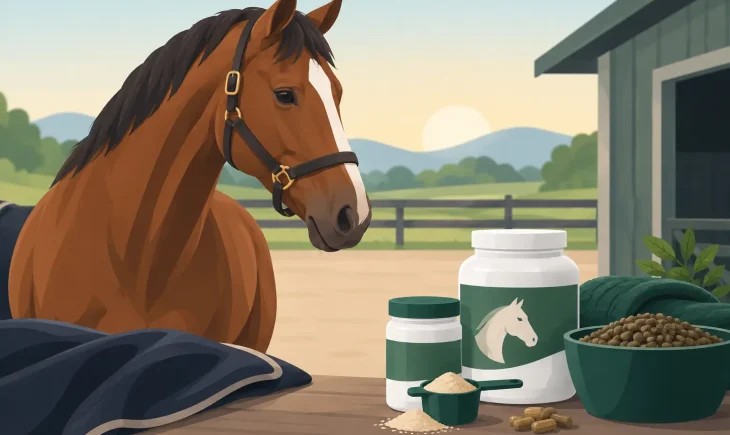
A hard school, long haul, race, intense conditioning block, or multi-day show can leave even a fit horse flat, tight, dehydrated, or slow to eat. Horse recovery supplements are designed to support the systems that take the biggest hit after demanding work: fluid balance, muscle function, energy restoration, inflammation control, digestion, and joint comfort. The right product can be useful. The wrong one, or one used at the wrong time, is just expensive powder in a feed bucket.
Recovery should start with the horse in front of you. A horse that sweated heavily needs a different plan than one returning from stall rest. A horse with poor topline needs more than electrolytes, while a horse that is stiff after repetitive concussion may need a veterinary assessment before any supplement program is changed.
What Recovery Actually Means for a Working Horse
Recovery is not simply waiting until a horse looks bright again. It is the period when the body replaces fluids and minerals, restores fuel stores, repairs exercise-related muscle stress, settles the digestive system, and adapts to training. If any of those pieces fall behind, performance can drop long before obvious lameness or illness appears.
For stable managers and trainers, the practical signs matter. Is the horse drinking normally? Has appetite returned? Is manure production normal? Does the horse walk out freely the next morning? Are muscles soft rather than hard or painful? Is the horse willing to go forward in the next session?
A recovery product should have a clear job. Avoid stacking multiple formulas with overlapping ingredients just because each label promises faster results. That can create unnecessary expense, excessive mineral intake, and confusion when a horse does not respond as expected.
Horse Recovery Supplements for the Main Recovery Needs
Electrolytes and hydration support
Sweat loss does not mean water loss alone. Horses also lose sodium, chloride, potassium, and smaller amounts of other minerals. In hot weather, humid conditions, endurance work, racing, transport, and horses that sweat heavily, electrolyte replacement is often the most immediate recovery priority.
A useful electrolyte formula should be built around sodium and chloride, not just a token amount of potassium. It should be given with unrestricted access to fresh water. Never assume an electrolyte dose replaces drinking, and do not force concentrated electrolyte products into a horse that is dehydrated, colicky, unwilling to drink, or clinically unwell.
Some horses benefit from an electrolyte routine around regular hard work. Others only need targeted support after unusually heavy sweating. The right approach depends on workload, weather, forage intake, and how much salt is already provided in the daily ration.
Amino acids, protein, and muscle support
Muscle recovery depends on enough total calories and quality protein. Supplements containing essential amino acids, especially lysine, threonine, and methionine, can be useful when a horse has limited access to high-quality protein or needs help maintaining topline during hard training, travel, or rehabilitation.
This category has limits. No amino-acid product can compensate for a ration that is too low in energy, poor forage, untreated gastric discomfort, dental problems, or a workload that exceeds the horse’s current fitness. Feed and forage remain the foundation. Recovery products refine the program rather than replacing it.
Antioxidant ingredients such as vitamin E and selenium are also common in muscle-support formulas. They may have a place for horses with specific dietary gaps or elevated training demands, but selenium has a narrow margin between appropriate and excessive intake. Check the full diet before adding another selenium-containing product.
Joint, tendon, and soft-tissue support
Hard ground, jumping, speed work, tight turns, and repetitive training all place pressure on joints and soft tissue. Ingredients such as glucosamine, chondroitin, MSM, hyaluronic acid, collagen, and omega-3 fatty acids are commonly used in long-term support programs for horses in regular work.
These are not overnight recovery fixes. Most joint-support supplements are better viewed as consistent maintenance tools, with results assessed over several weeks. They may help support comfort and mobility in an appropriately managed horse, but they do not repair a damaged tendon, resolve a joint infection, or make it safe to continue work through lameness.
If a horse has heat, swelling, a marked change in gait, or pain on palpation, stop treating the issue as routine soreness. Rest, cooling, veterinary examination, and a clear return-to-work plan may be needed before supplements are even part of the conversation.
Digestive and appetite support
Hard exercise, travel, changes in routine, NSAID use, and competition stress can affect appetite and gut function. Horses that finish an event reluctant to eat, lose condition during a show schedule, or produce abnormal manure may need their management reviewed closely.
Digestive support products may include live yeast, prebiotics, probiotics, buffers, pectin, lecithin, or ingredients intended to support the stomach and hindgut. These can be a sensible addition when stress is predictable, but they should not delay care for colic signs, repeated poor appetite, weight loss, teeth grinding, girthiness, or recurring diarrhea.
Recovery feeding should also be simple and consistent. Offer clean water, familiar forage, and feed the horse will readily consume. Sudden large grain meals after strenuous work are not a smart shortcut to restored energy.
Match the Product to the Workload
A horse coming home from a 30-minute light hack does not need the same recovery stack as a horse completing a hot-weather endurance ride or running a demanding race schedule. More products do not automatically mean better recovery.
For a heavy-sweating competition horse, hydration and electrolytes may come first. For a horse in a strength-building program, ration balance and amino-acid support may be more relevant. For an older jumper staying in work, joint support, footing management, and sensible scheduling may deliver more value than an aggressive post-work formula.
Look beyond the marketing name. Check active ingredients, serving size, administration route, total daily cost, and whether the formula overlaps with other products already in the barn. A product that looks cheap per container may be poor value if it provides only a few effective servings. Buying the right strength and format is usually cheaper than buying several underdosed options.
Build a Recovery Routine That Gives You Useful Information
The best recovery plan is repeatable. After demanding work, cool the horse appropriately, provide water, assess respiration and attitude, and return forage as soon as it is safe and practical. Then use supplements according to their purpose rather than adding everything at once.
Keep a simple record of workload, weather, sweat level, appetite, manure, stiffness, and recovery time. This is especially valuable for performance barns where several people handle the same horse. Patterns become clear quickly: the gelding that drinks poorly after shipping, the mare that tightens after hard footing, or the young horse that needs more time between intense sessions.
Introduce one new supplement at a time where possible. If the horse goes off feed, develops loose manure, or shows no measurable benefit, you can identify the likely cause instead of guessing through a crowded supplement program.
Competition Rules and Veterinary Decisions Matter
Performance horses may be subject to breed, racing, federation, or event-specific medication rules. A recovery compound that seems routine can contain ingredients with restricted-use periods or testing implications. Always verify current rules for your discipline and location before using a new product near competition.
Supplements are also not a substitute for diagnosis. Dark urine, severe muscle cramping, prolonged elevated heart rate, fever, depression, persistent stiffness, reduced drinking, or colic signs require prompt veterinary attention. These can point to dehydration, exertional rhabdomyolysis, heat stress, infection, gastric disease, or another condition that needs more than nutritional support.
For everyday recovery needs, choose products with clearly stated ingredients and practical dosing, then buy enough for a consistent trial rather than judging results after two feeds. Equine MedCare offers performance-focused recovery, wellness, and support products for horse owners who need competitive pricing and express worldwide delivery. Start with the horse’s workload, build a focused plan, and let sound management do the heavy lifting.